Coffee wins on energy, matcha pairs caffeine with L-theanine for calmer focus, and a protein hot chocolate or protein coffee is the only one of the three that puts real protein (14g or more) in your mug. Which one you pick comes down to what your morning drink has to do, and plenty of women end up drinking two of them.
In this article
I compare coffee, lattes, matcha, hot cocoa, protein shakes and our Bone Broth Protein Mix, say where each one wins, and lay out a two-week plan for stepping down from coffee without the headache.
Protein hot chocolate vs coffee vs matcha: the numbers
Typical amounts per serving. Cup size, brew strength, brand and milk all change these, so use them to compare, not as a lab result for your own mug.
| Drink | Caffeine | Protein | Sugar |
|---|---|---|---|
| Brewed coffee, 8 oz, black (no dairy) | 95mg | 0g | 0g |
| Latte, 12 oz, whole milk (dairy) | 63 to 126mg | 10g | 15g* |
| Matcha latte, 8 oz whole milk (dairy) | 19 to 89mg | 8g | 12g* |
| Hot cocoa, 1 cup (dairy) | 5mg | 9g | 24g |
| Protein shake (often whey, dairy) | Usually 0mg | Varies | Varies |
| Protein coffee: coffee plus Caffeinated Chocolate (dairy-free) | 155mg | 14g | 0g |
| Classic Chocolate Mix (dairy-free) | 0mg | 14g | 0g |
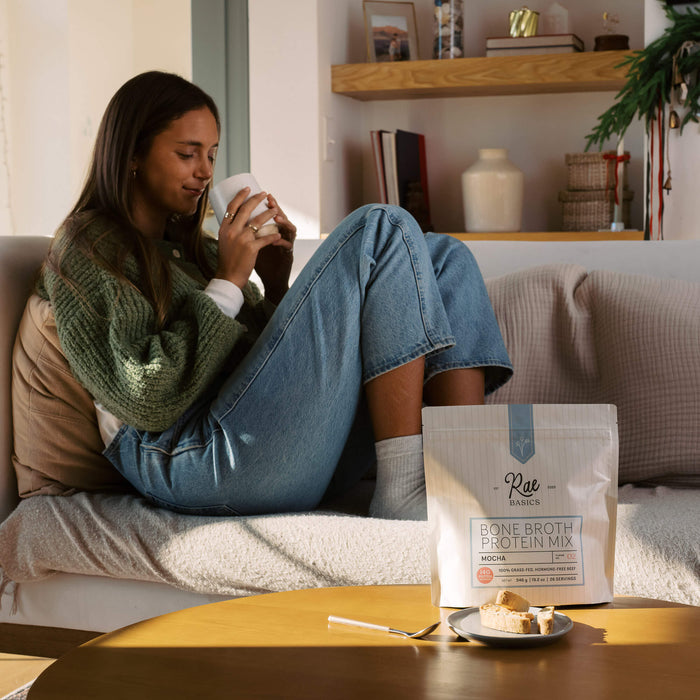
| Mocha Mix (dairy-free) | 0mg | 14g | 0g |
| Caffeinated Chocolate Mix (dairy-free) | 60mg | 14g | 0g |
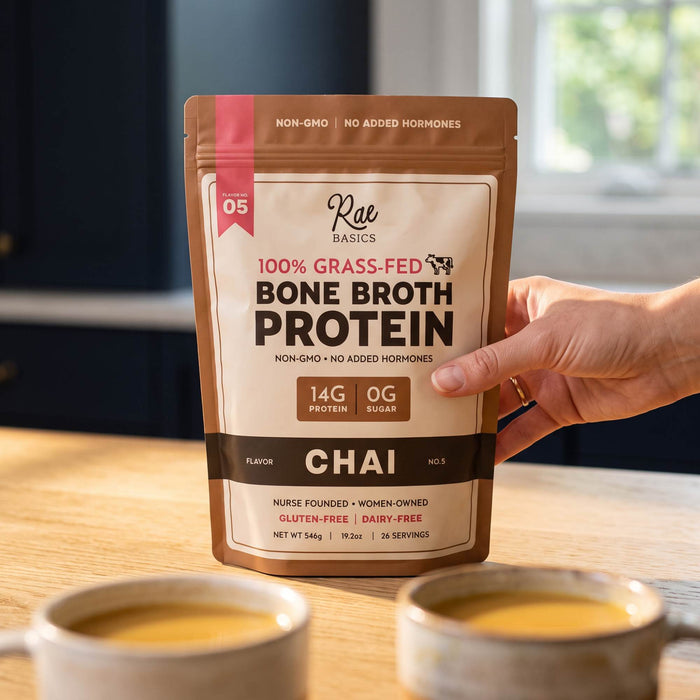
| Chai Mix (dairy-free) | 0mg | 14g | 0g |
Amounts are approximate. The latte uses 1 or 2 espresso shots and the matcha latte 1 to 2g of powder. *Sugar marked with an asterisk is the natural sugar in milk. Syrups add more, and plant milk makes a latte dairy-free but usually lowers the protein. Our Mix rows are one 21g scoop made with water. Coffee, espresso, milk and cocoa figures come from USDA FoodData Central. The matcha range uses a review that found 18.9 to 44.4mg of caffeine per gram of matcha powder (Kochman and colleagues, 2020). Our numbers come from our Nutrition Facts panels. Every scoop of our Mix also has 10g+ of naturally occurring collagen, and making it with dairy milk instead of water adds about 8g of protein per cup.
Which to choose, by goal
- Most energy: brewed coffee, ideally with a real breakfast next to it, or a protein coffee if the cup is your breakfast.
- Calm focus: matcha, for caffeine plus L-theanine, if you don't need the drink to carry your protein.
- Most protein per serving: a whey shake, if you lift and dairy sits well with you.
- Most protein without a blender: Bone Broth Protein Mix whisked into 1 cup (8 oz) of dairy milk, about 22g in a mug.
- Gentle energy, less caffeine: Caffeinated Chocolate on its own, 60mg.
- No caffeine at all: Classic Chocolate, Mocha or Chai.
- Least sugar: black coffee, plain matcha with water, or any of our flavors at 0g.
Where each drink wins, and where it falls short
Coffee
Coffee gives you the most caffeine for the least effort, and for most healthy adults its research record is reassuring. A large umbrella review in The BMJ found moderate coffee drinking was more often associated with benefit than harm, with pregnancy as a notable exception (Poole and colleagues, 2017). What it doesn't give you is anything else. Black coffee has essentially no protein, and for a lot of us it quietly replaces breakfast.
Latte
The milk in a latte adds real protein, about 10g in a 12 oz whole-milk latte, plus the milk's natural sugar. That makes it a better breakfast than black coffee. Flavored syrups are where lattes turn into dessert, and plant-milk lattes usually have less protein.
Matcha
Matcha is powdered whole green tea leaf, so you drink the leaf instead of steeping it, and it has L-theanine alongside the caffeine. In a small, industry-funded study of 27 people, 50mg of caffeine with 100mg of L-theanine improved speed and accuracy on an attention-switching task and reduced distraction compared with placebo (Owen and colleagues, 2008). That's part of why people call matcha "calmer" energy. Two caveats: caffeine varies a lot by grade and how much powder you use, and a matcha latte isn't a protein drink unless it's made with dairy or soy milk.
Hot cocoa
Classic hot cocoa has almost no caffeine and is nice in the evening. A homemade cup also has about 24g of sugar and 9g of protein, so I'd save it for a treat rather than count it as breakfast.
Protein shake
If you want the most protein per serving, especially after lifting, a whey shake is hard to beat. Whey is a high-quality dairy protein. The trade-offs: most shakes are meant to be cold, many are dairy-based, and some use sugar alcohols that bother sensitive stomachs. If that sounds like you, see gut-friendly protein for women.
Protein hot chocolate and protein coffee
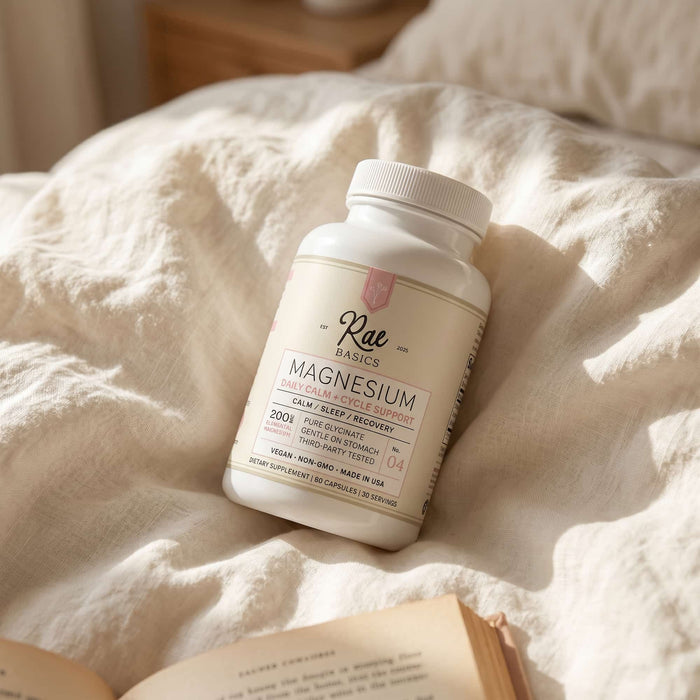
This is where our Mix fits. A scoop gives you 14g of protein, 10g+ of naturally occurring collagen and 0g sugar in a warm drink, and you pick the caffeine: 0mg, 60mg, or whatever your coffee adds. The downsides: 14g is less than a big whey shake, and bone broth protein is naturally low in some essential amino acids like tryptophan, so it should be one protein in your day next to eggs, dairy, meat, fish or beans. Our guide to putting bone broth protein in coffee shows how to make a protein coffee without clumps.
“Coffee gives you caffeine, matcha gives you caffeine and the benefits of green tea, but Rae Basics gives you 14 grams of protein plus the benefits of bone broth. So when I want something warm and satisfying that also adds real nutrition to my day, I'll choose a bone broth hot chocolate.”
Skotie Rae, RN, founder
Why protein in the morning matters
Most of us eat a small breakfast, a medium lunch and a big dinner. In a small study in the Journal of Nutrition, adults who spread their protein evenly across the day, about 30g at each meal, had higher 24-hour muscle protein synthesis than adults who ate most of it at dinner (Mamerow and colleagues, 2014).
A drink isn't a full breakfast. It is an easy way to move 14 to 22g of protein to the start of your day, though, and with eggs, yogurt, fruit or oats alongside you're close to that 30g mark.
How to replace coffee with a protein drink: a two-week plan
If you drink coffee every day, quitting cold usually backfires. A review of caffeine withdrawal found symptoms like headache, fatigue, low energy and trouble concentrating typically start 12 to 24 hours after the last dose, peak around 20 to 51 hours, and can last 2 to 9 days. They showed up even in people stopping as little as 100mg a day (Juliano and Griffiths, 2004). So taper:
- Days 1 to 4: keep your first cup of coffee. Replace your second with a scoop of Caffeinated Chocolate (95mg becomes 60mg).
- Days 5 to 9: make your first cup a protein coffee, half your usual coffee plus a scoop of Caffeinated Chocolate. Your afternoon drink becomes Mocha, 0mg of caffeine with the same mocha taste.
- Days 10 to 14: start the day with Caffeinated Chocolate on its own, 60mg. Keep Mocha, Classic Chocolate or Chai for the rest of the day.
Stop wherever it feels right. One real coffee plus one protein drink is a perfectly reasonable place to land. If you're pregnant, breastfeeding, on medication or managing a heart condition, ask your clinician what caffeine target makes sense for you.
On 5 a.m. days my own first cup is the Morning Boost. The Iced Mocha "Proffee" is good for warm mornings, and the Evening Mocha Latte covers afternoons.
For the caffeine numbers in more detail, see how much caffeine is in chocolate, mocha and coffee. For more options, including yerba mate and chicory, read the best coffee alternatives for energy, and if you're weighing a straight swap, protein coffee vs regular coffee.
What it costs
Brewed coffee at home is usually the cheapest cup, and café drinks usually cost the most. Our Bone Broth Protein Mix is $59.99 for a 26-serving bag, about $2.31 a cup, or $32.99 for a 12-serving bag. Subscribe and Save lowers the price further. Every nutrition panel is on Rae Basics at a glance.
Quick answers
Can a protein drink replace coffee?
It can replace some or all of it. A scoop of Caffeinated Chocolate has 60mg of caffeine, about two-thirds of an 8 oz coffee, plus 14g of protein. Taper over one to two weeks to avoid withdrawal headaches.
How much caffeine is in a mocha?
A café mocha has about 63mg per espresso shot, so 63 to 126mg for one or two shots. Our Mocha is coffee-flavored and has 0mg.
Is hot chocolate healthier than coffee?
Classic hot cocoa has less caffeine than coffee but about 24g of sugar a cup. A protein hot chocolate with 0g sugar and 14g of protein is a different drink: lower in caffeine than coffee and higher in protein than either.
Does matcha have more caffeine than coffee?
Usually less per cup. A matcha latte made with 1 to 2g of powder has roughly 19 to 89mg, compared with about 95mg in 8 oz of brewed coffee, but strong matcha can come close.
Which is best on an empty stomach?
If coffee on an empty stomach bothers you, try a warm protein drink with food, or a caffeine-free flavor first thing and your coffee after breakfast.
Sources
- U.S. Department of Agriculture, FoodData Central. Coffee, brewed (FDC ID 171890), espresso (FDC ID 171891), whole milk (FDC ID 171265) and hot cocoa, homemade (FDC ID 171277).
- Kochman J, Jakubczyk K, Antoniewicz J, Mruk H, Janda K. Health benefits and chemical composition of matcha green tea: a review. Molecules. 2020;26(1):85.
- Owen GN, Parnell H, De Bruin EA, Rycroft JA. The combined effects of L-theanine and caffeine on cognitive performance and mood. Nutr Neurosci. 2008;11(4):193-198.
- Mamerow MM, Mettler JA, English KL, et al. Dietary protein distribution positively influences 24-h muscle protein synthesis in healthy adults. J Nutr. 2014;144(6):876-880.
- Juliano LM, Griffiths RR. A critical review of caffeine withdrawal: empirical validation of symptoms and signs, incidence, severity, and associated features. Psychopharmacology (Berl). 2004;176(1):1-29.
- Poole R, Kennedy OJ, Roderick P, et al. Coffee consumption and health: umbrella review of meta-analyses of multiple health outcomes. BMJ. 2017;359:j5024.